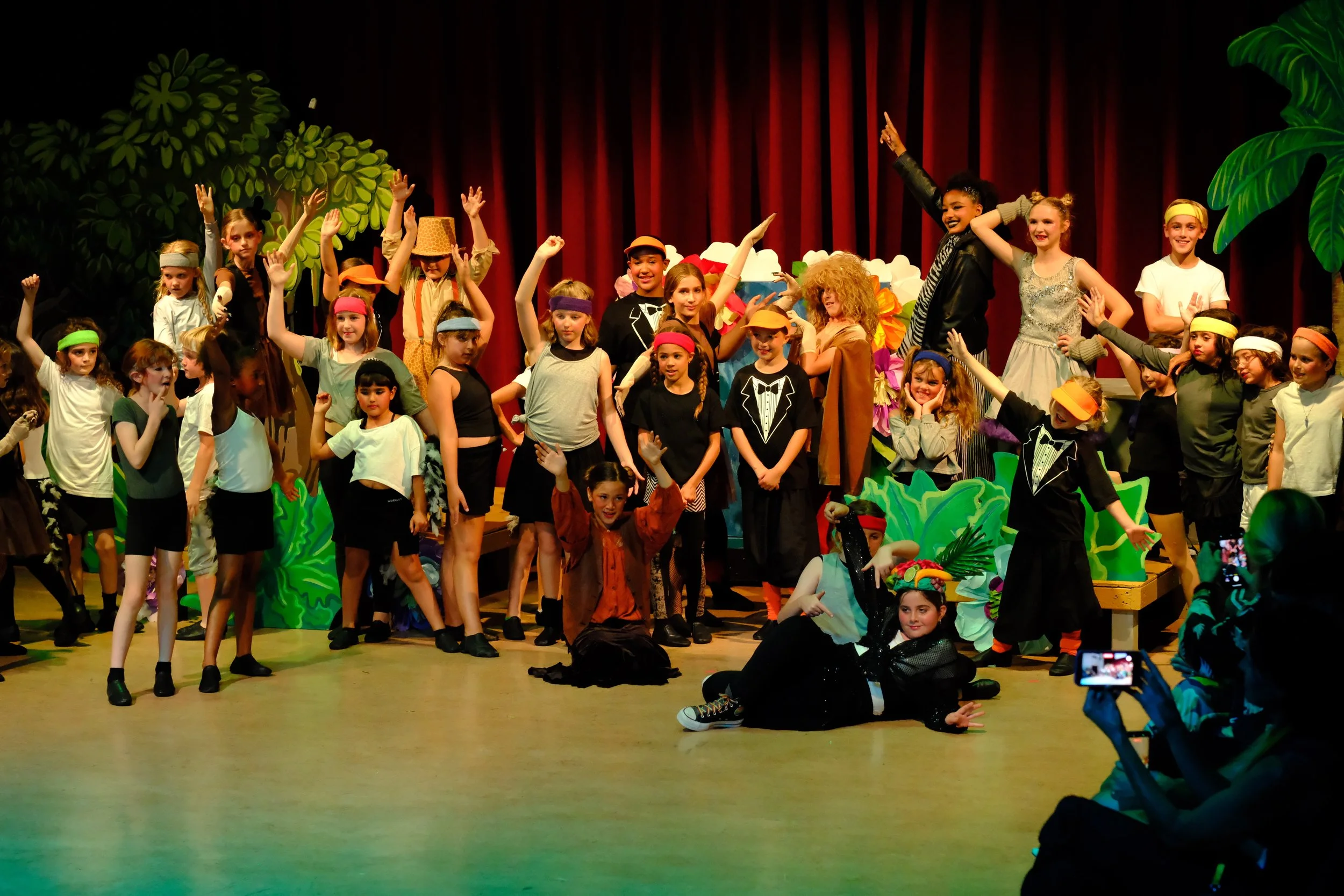
Madagascar: A Musical Adventure Jr. / El Segundo Youth Drama / Directed by Natalie Kahn / Lights by Haley Salcido-Gronski
-
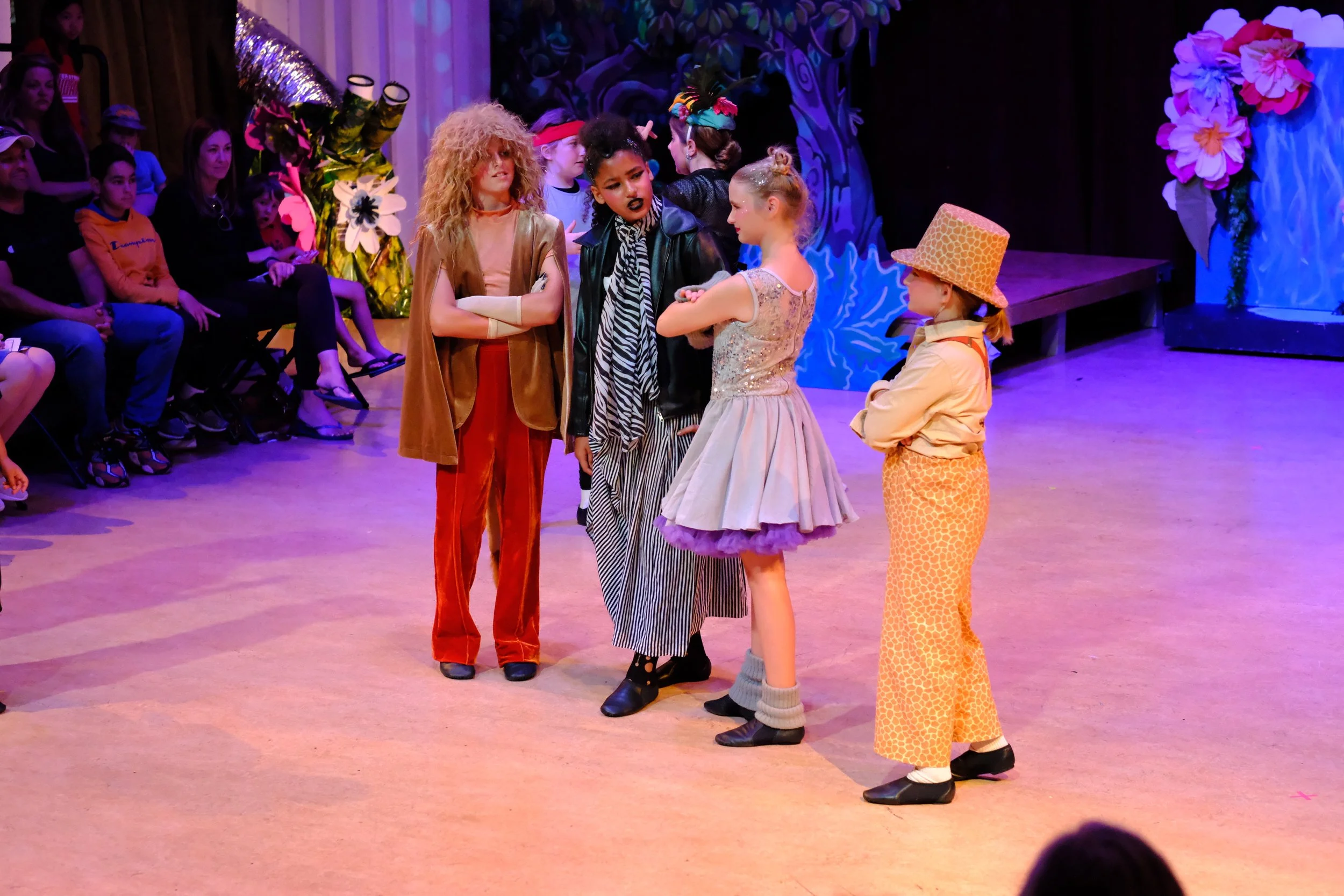
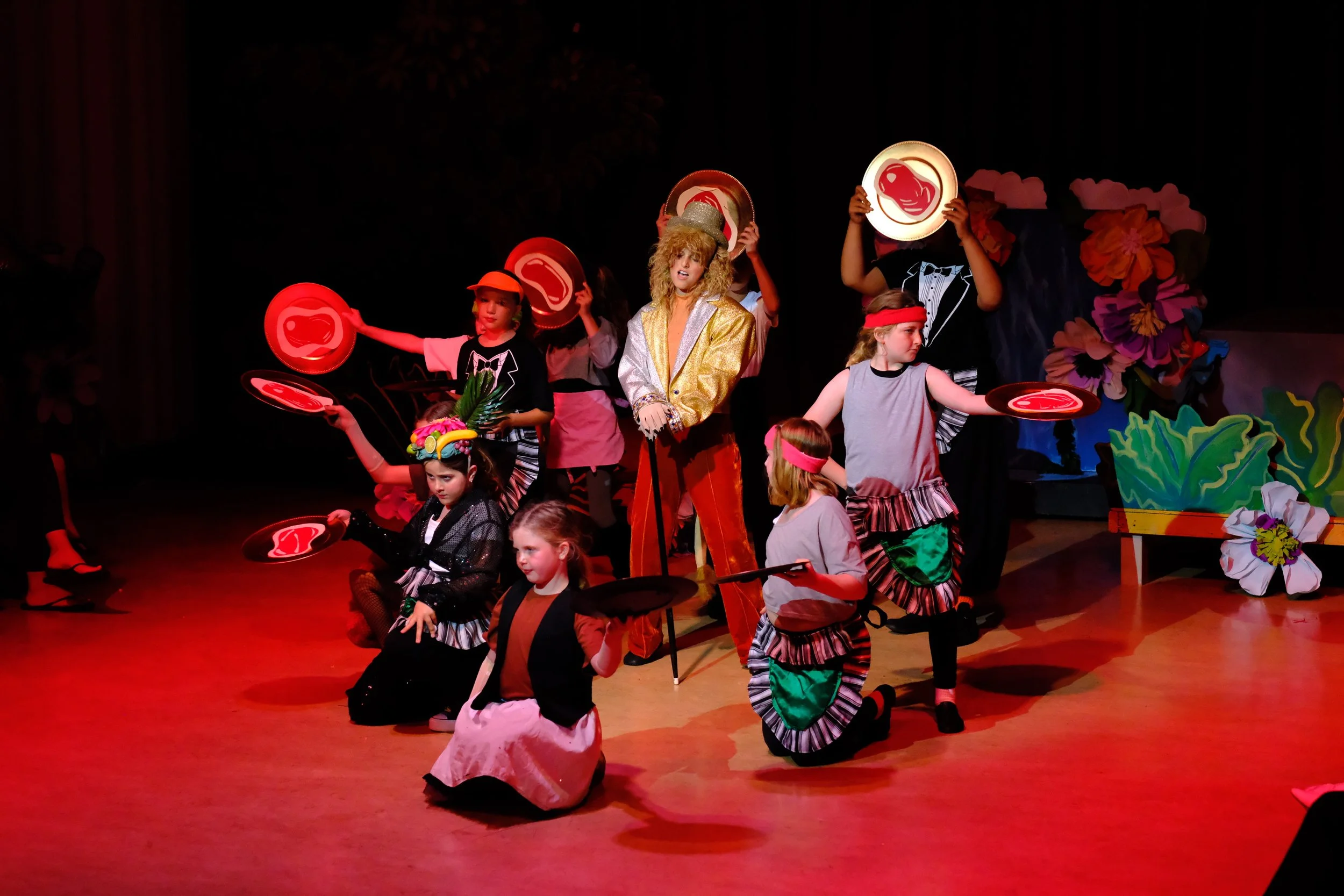
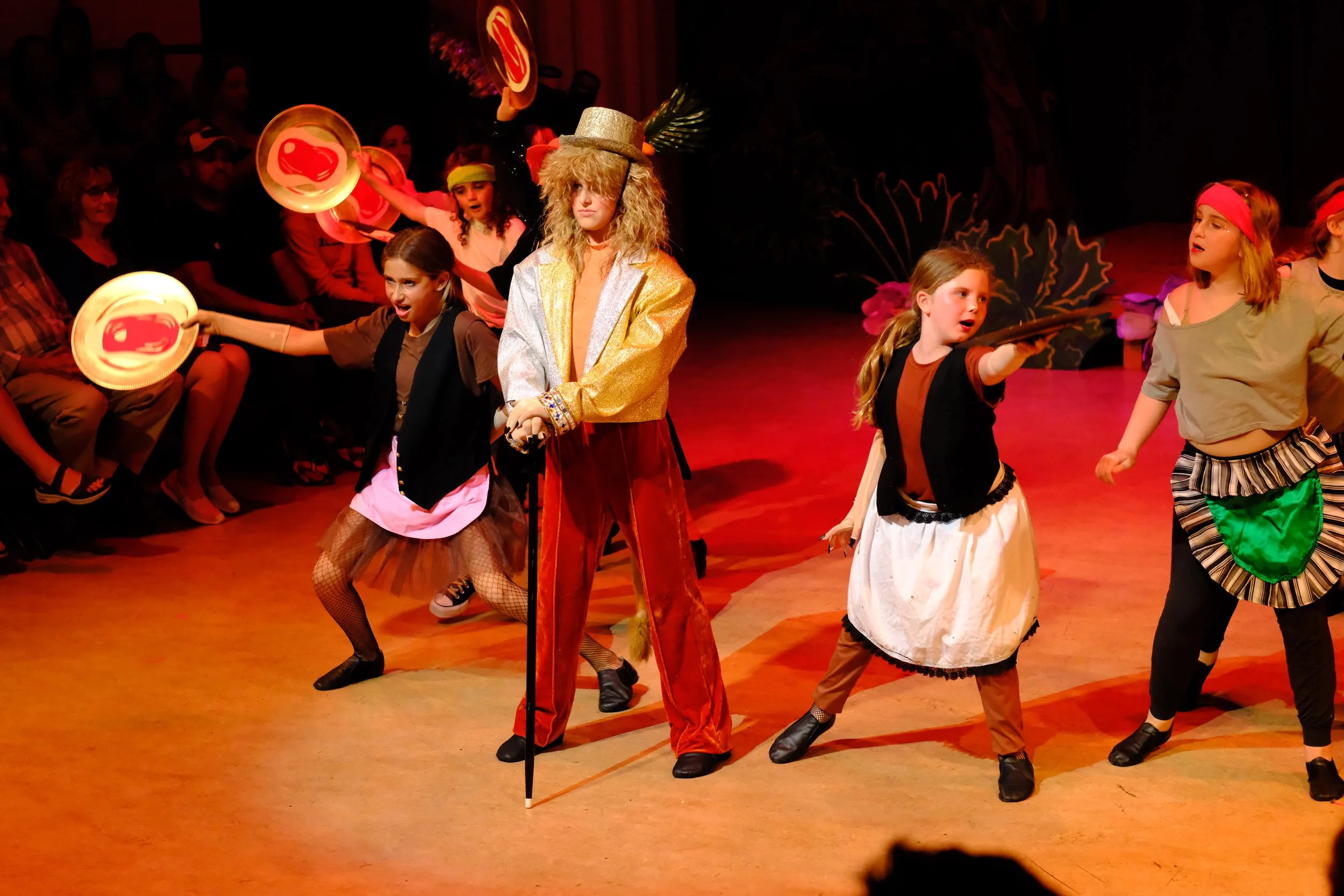
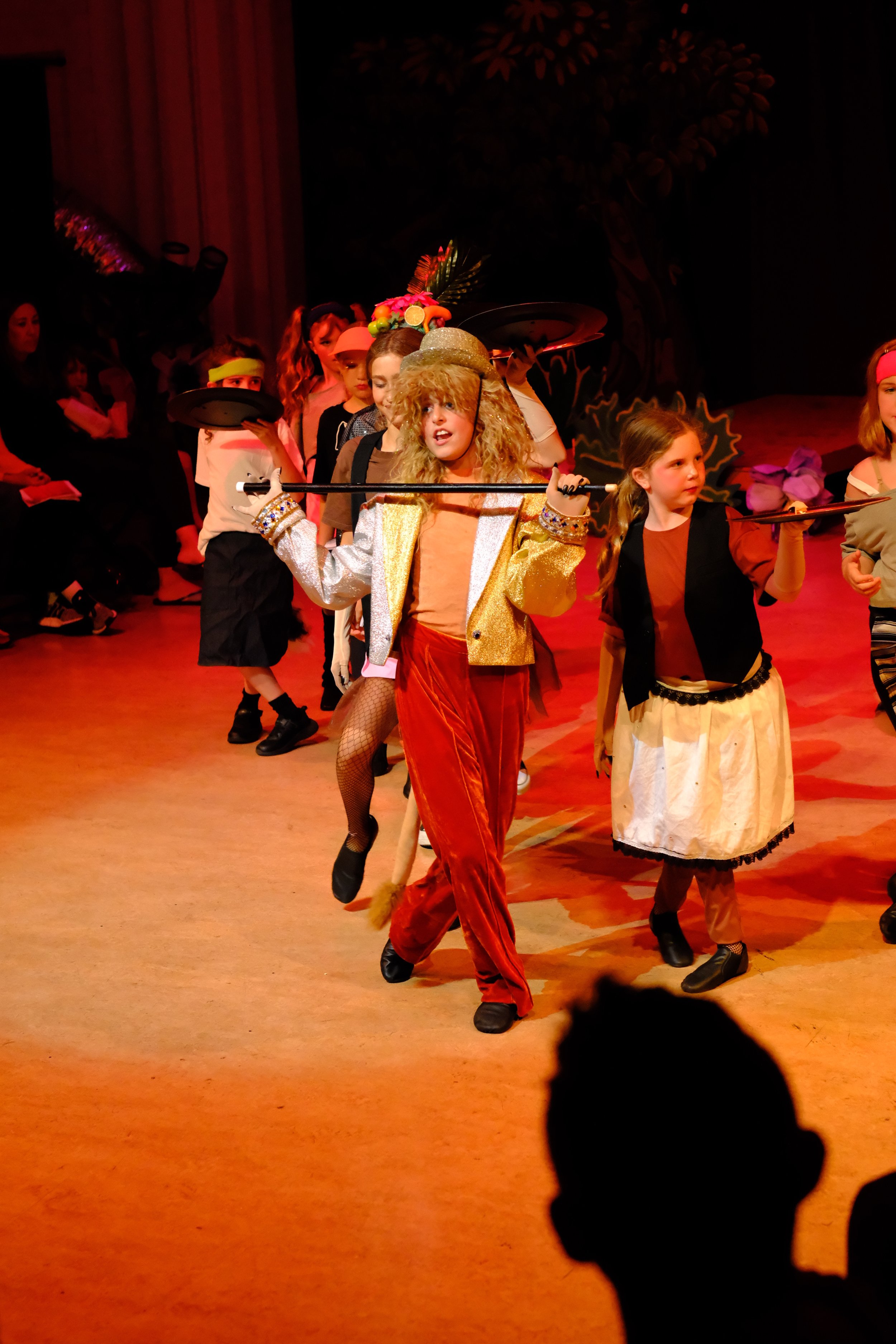
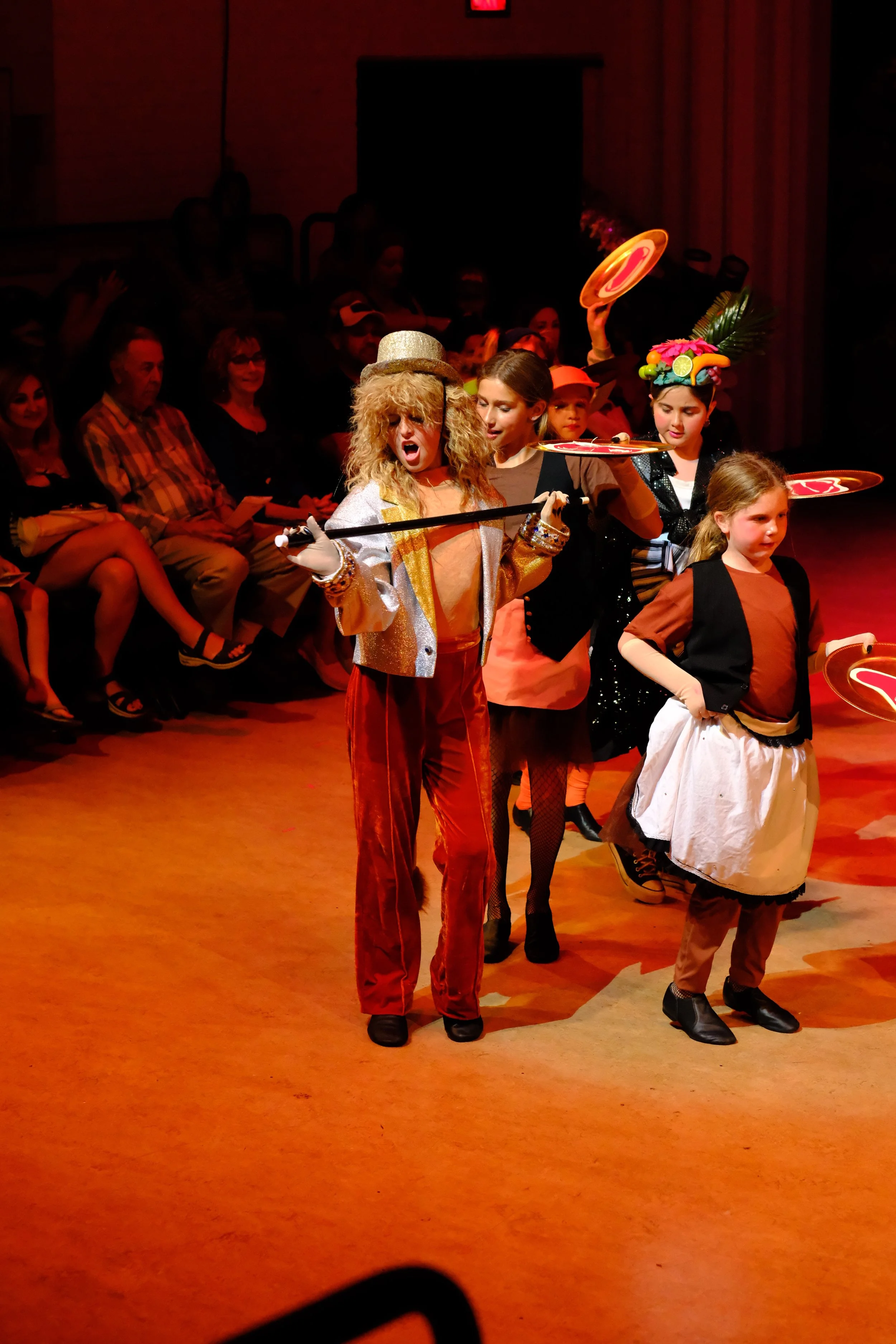
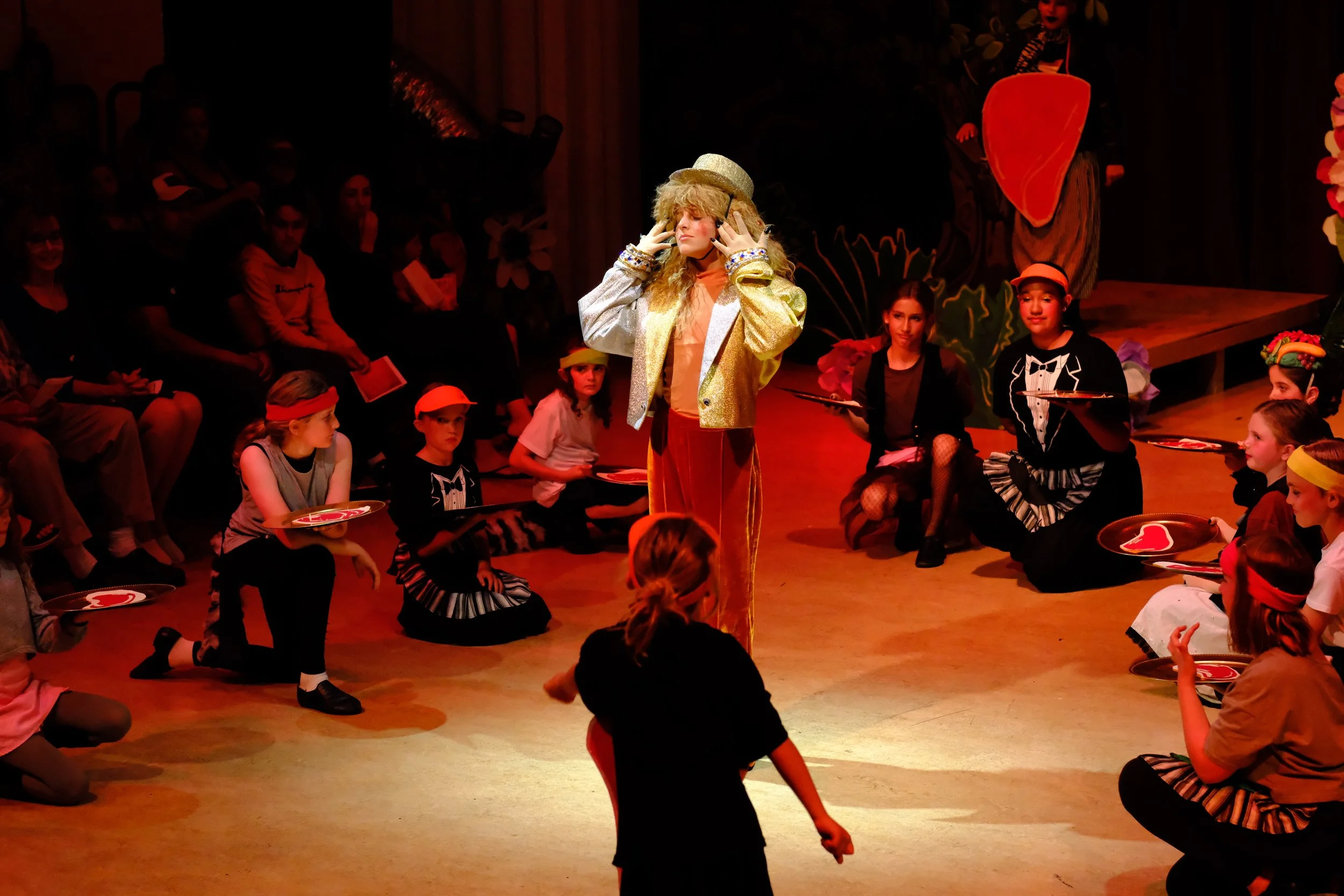
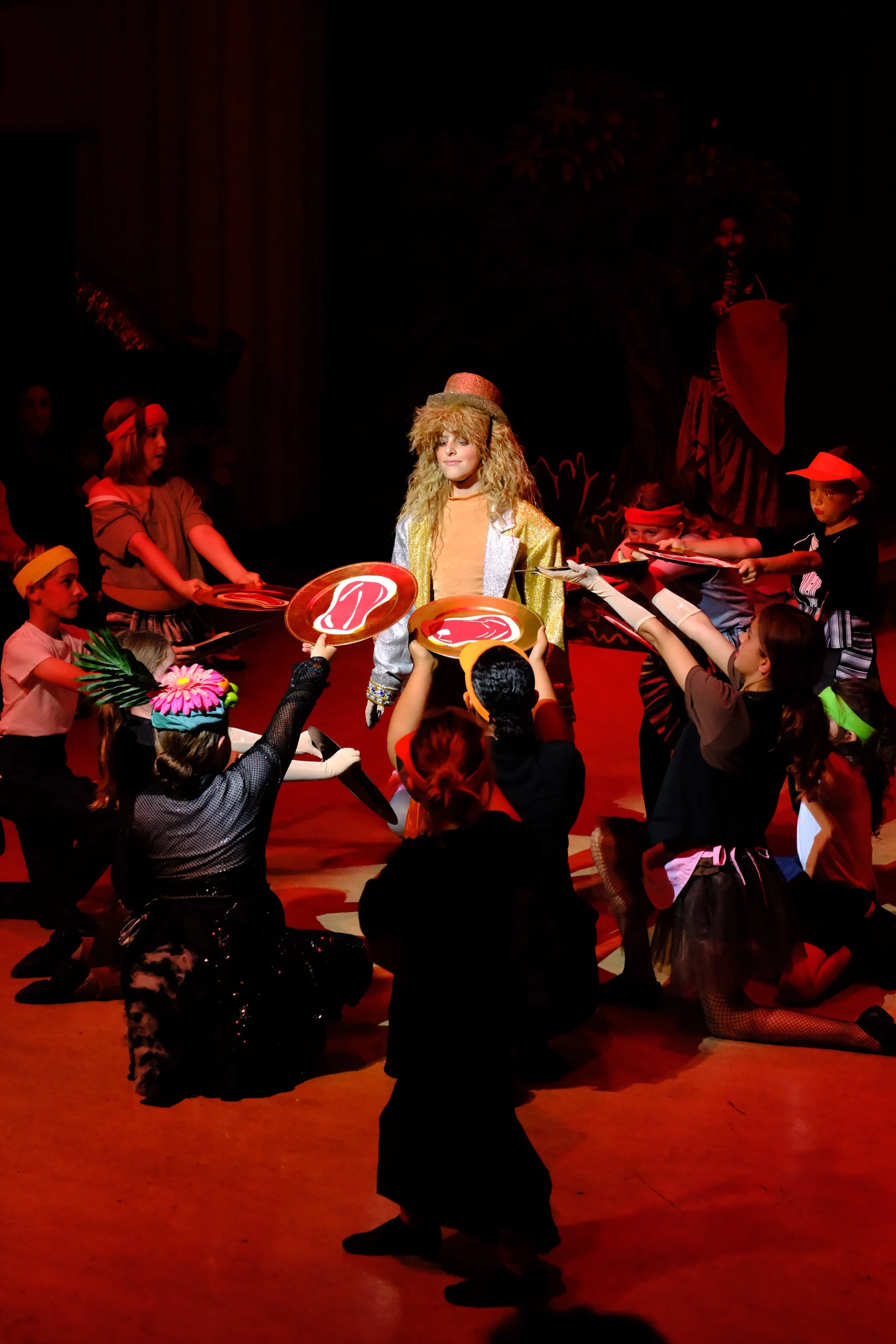
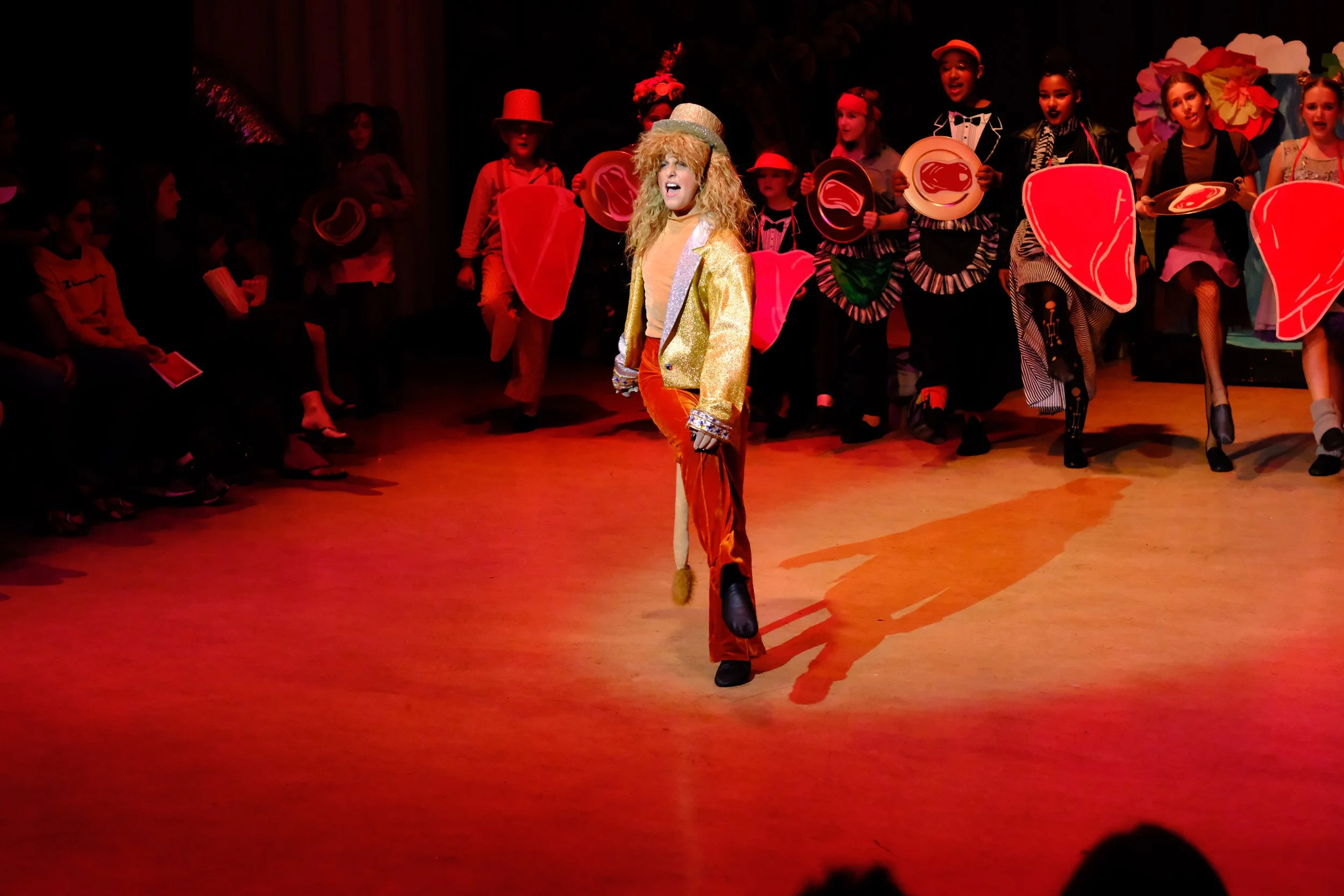
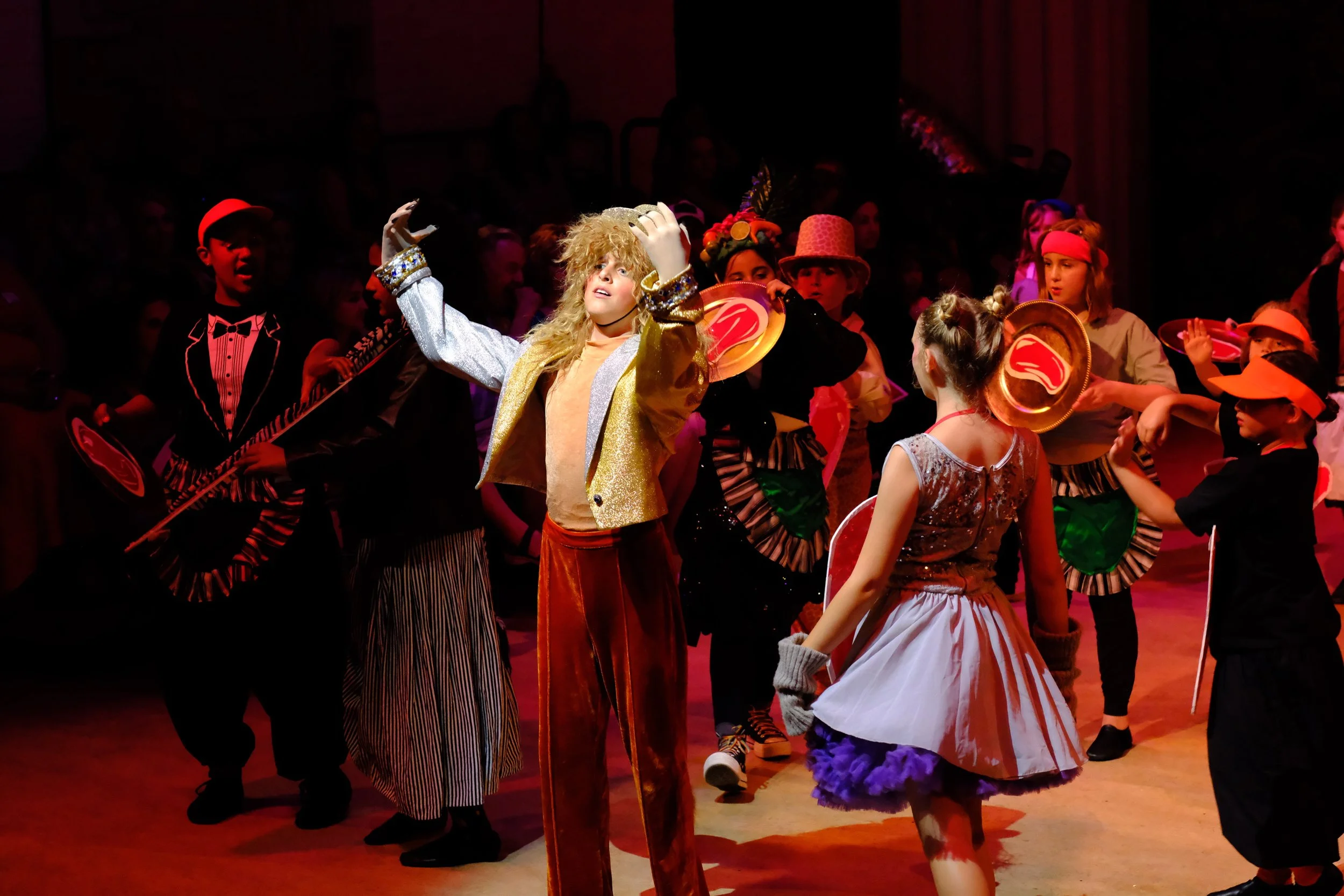
For this production, I began research and concept development approximately two months prior to our technical rehearsals (June 1–5, 2026). Because Madagascar: A Jr. Musical Adventure is based on the 2005 animated film, I started by revisiting the source material and analyzing its visual language. I paid particular attention to color palettes, environmental storytelling, and the distinct personalities of each character, as well as the visual contrast between locations such as the Central Park Zoo, Times Square, and the island of Madagascar.
While my goal was not to replicate the film's lighting design, understanding the source material provided a foundation for developing a theatrical interpretation of the story. I then conducted a script analysis, identifying key lighting moments, scene transitions, blackouts, and important stage directions. This process helped establish a clear organizational framework and allowed me to track the emotional progression of the narrative.
After developing a strong understanding of the script, characters, and settings, I began gathering visual references from theatre, film, photography, and other visual arts. These references informed my approach to color, atmosphere, composition, and storytelling throughout the production.
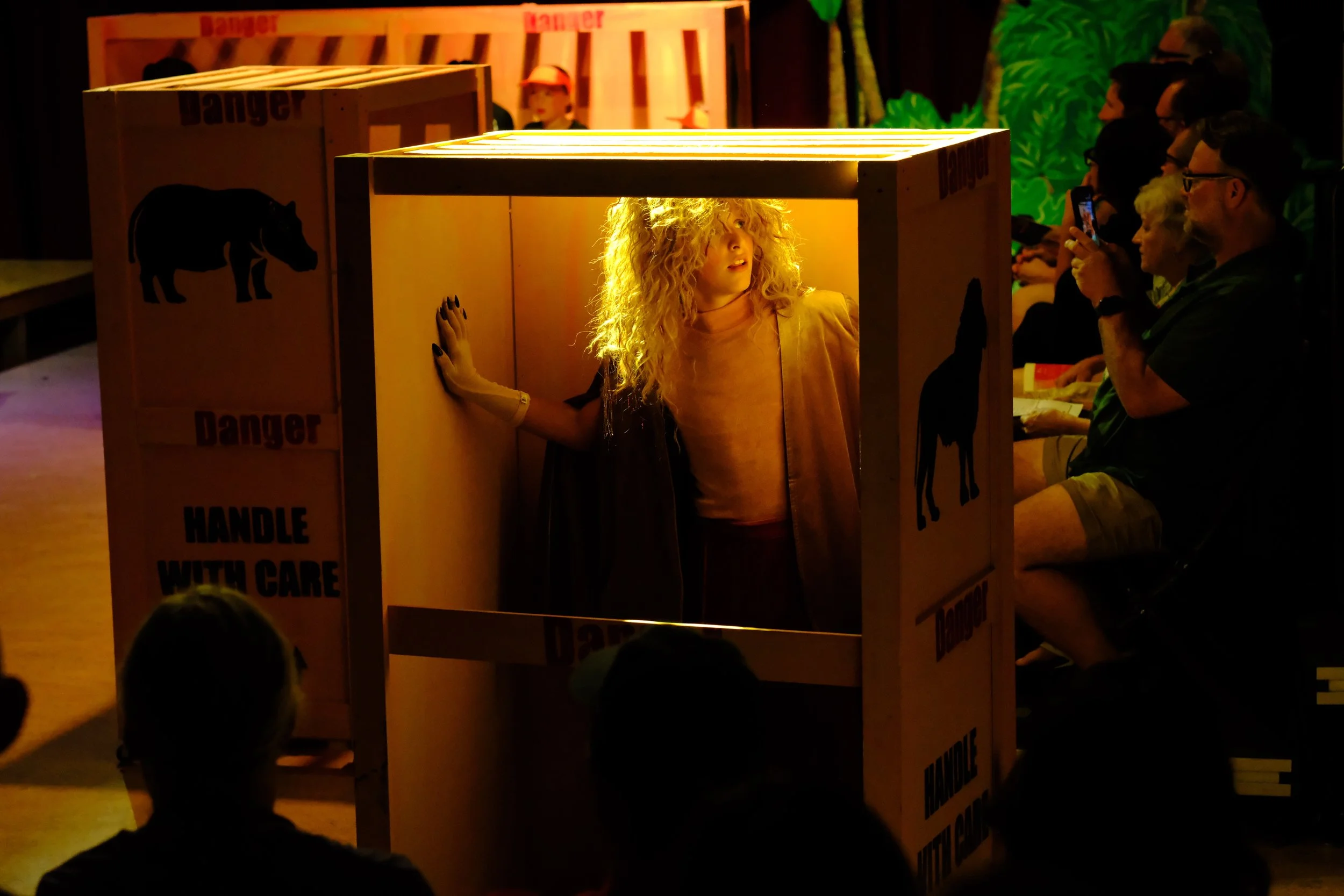
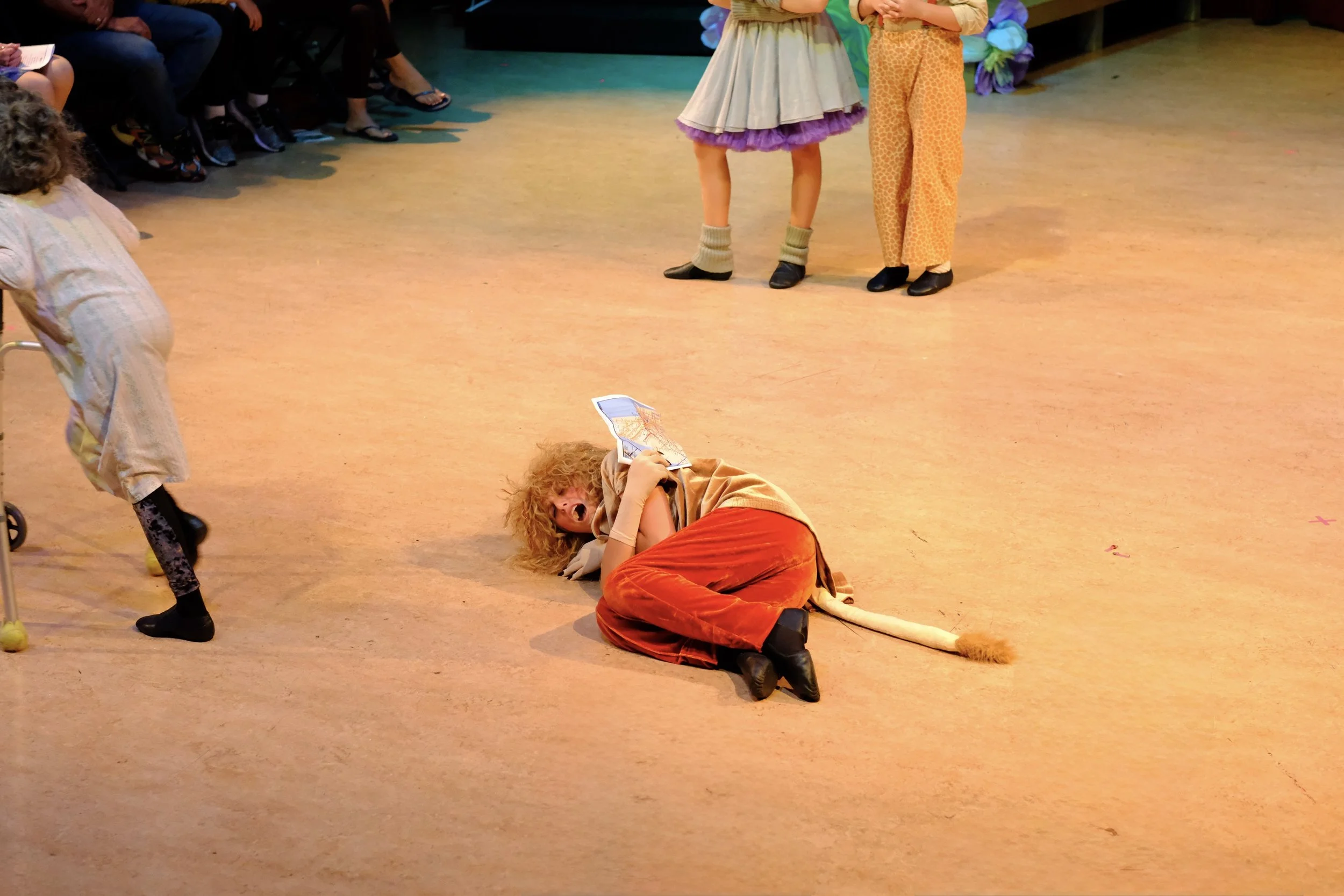
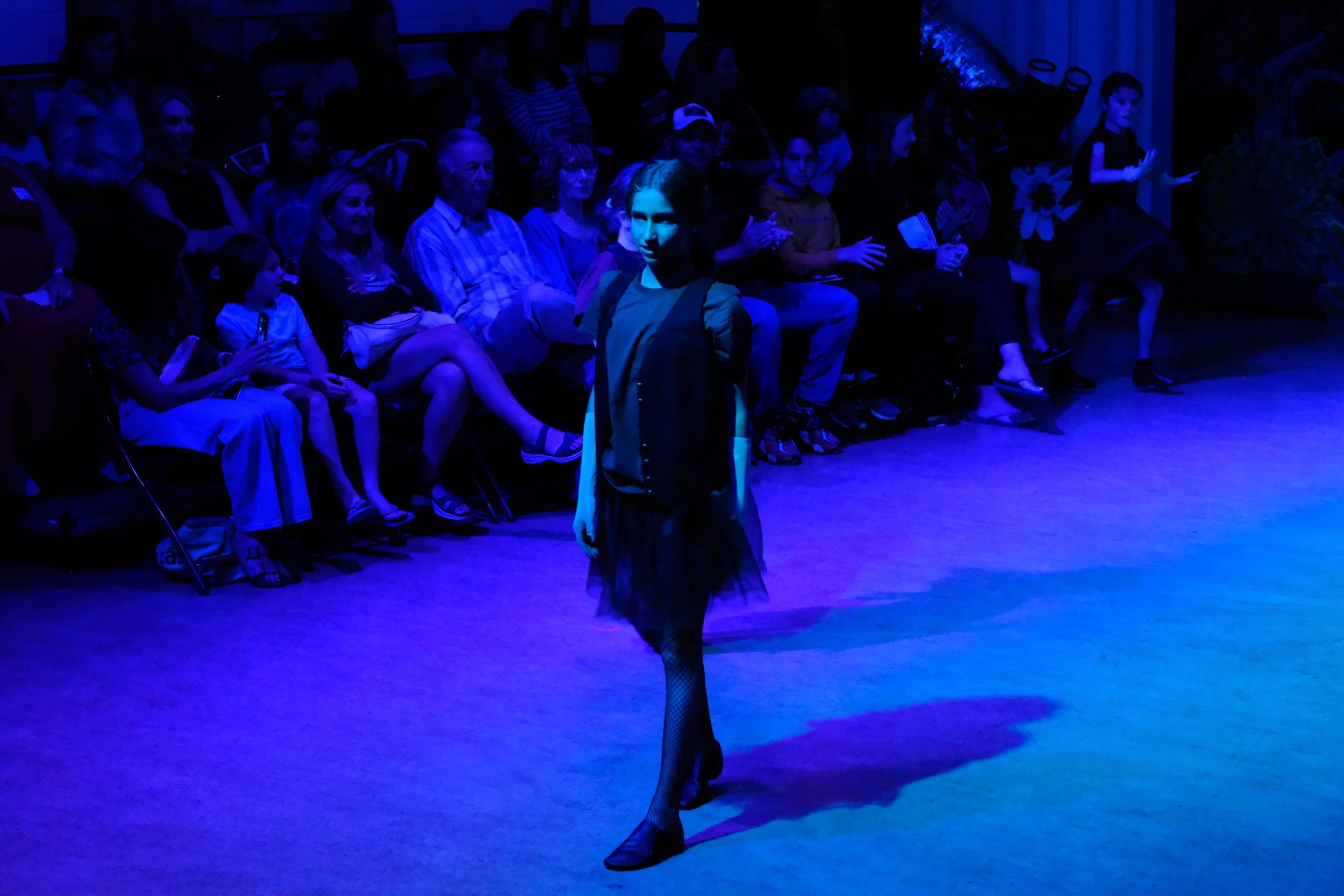
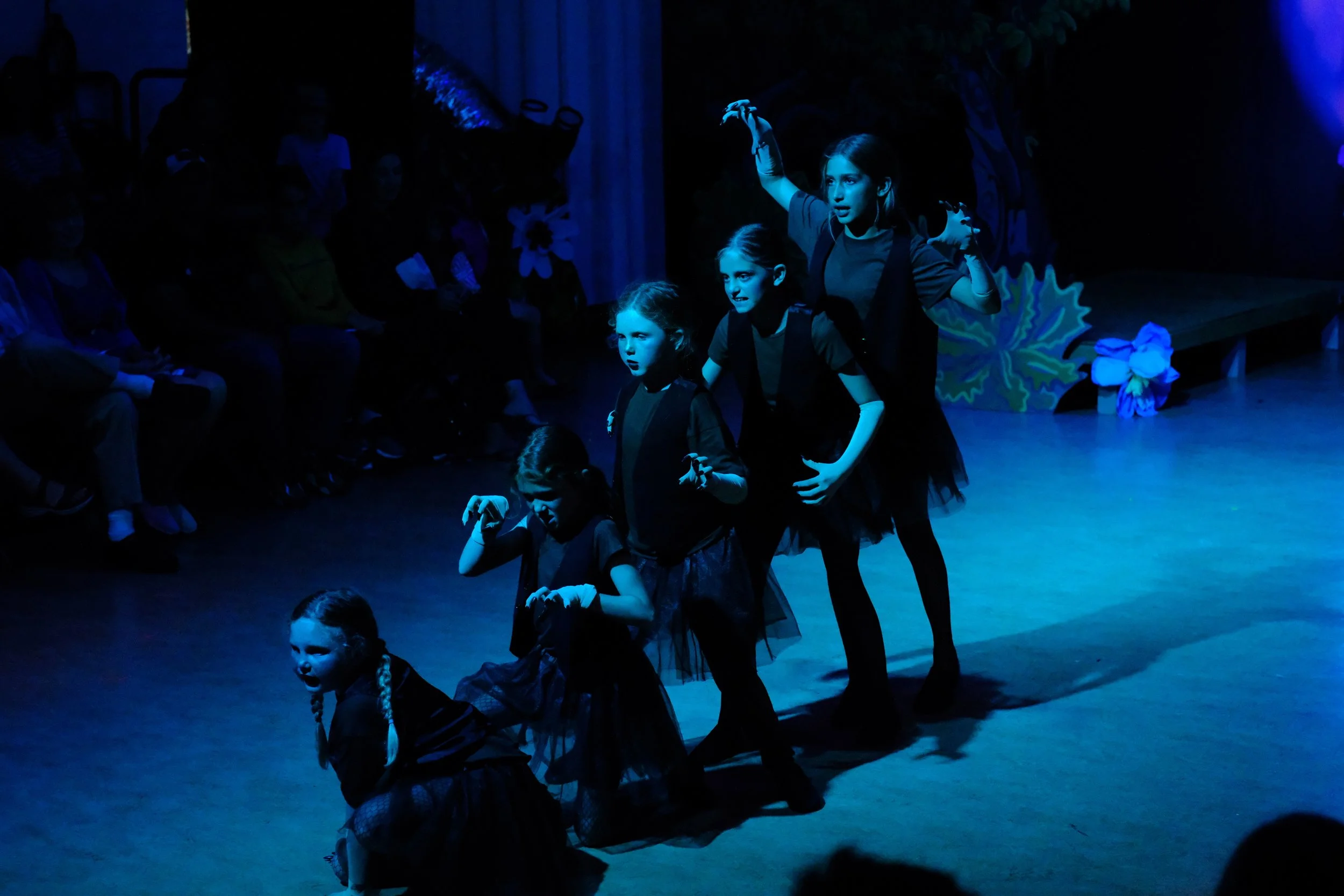
As I analyzed the script and collected research materials, I continually returned to one guiding question: What should the audience be feeling at this moment? While the show contains many lighthearted and comedic scenes, it also includes moments of uncertainty, danger, and emotional vulnerability. My lighting design sought to support these shifts in tone while helping guide the audience through the characters' journey.
-
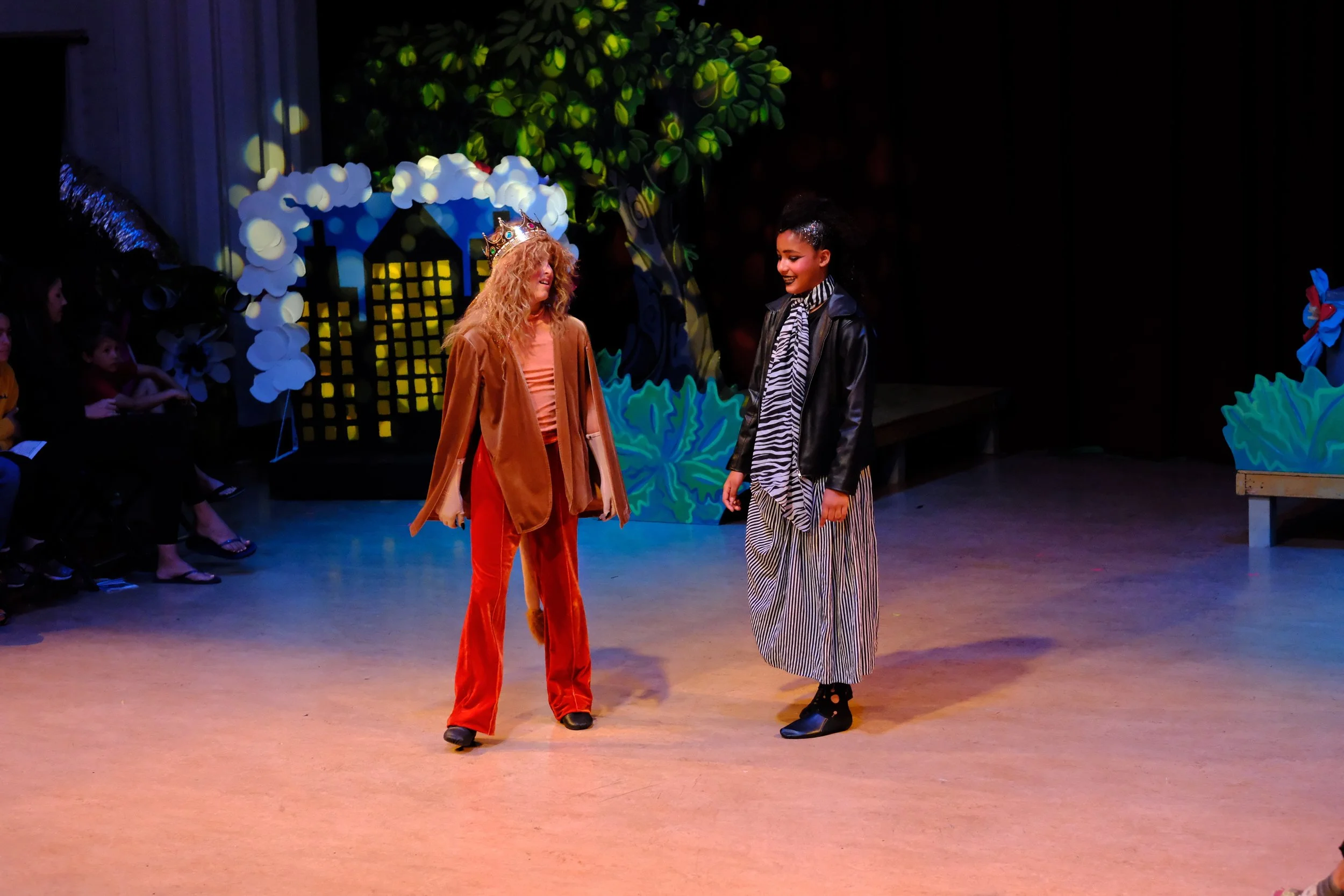
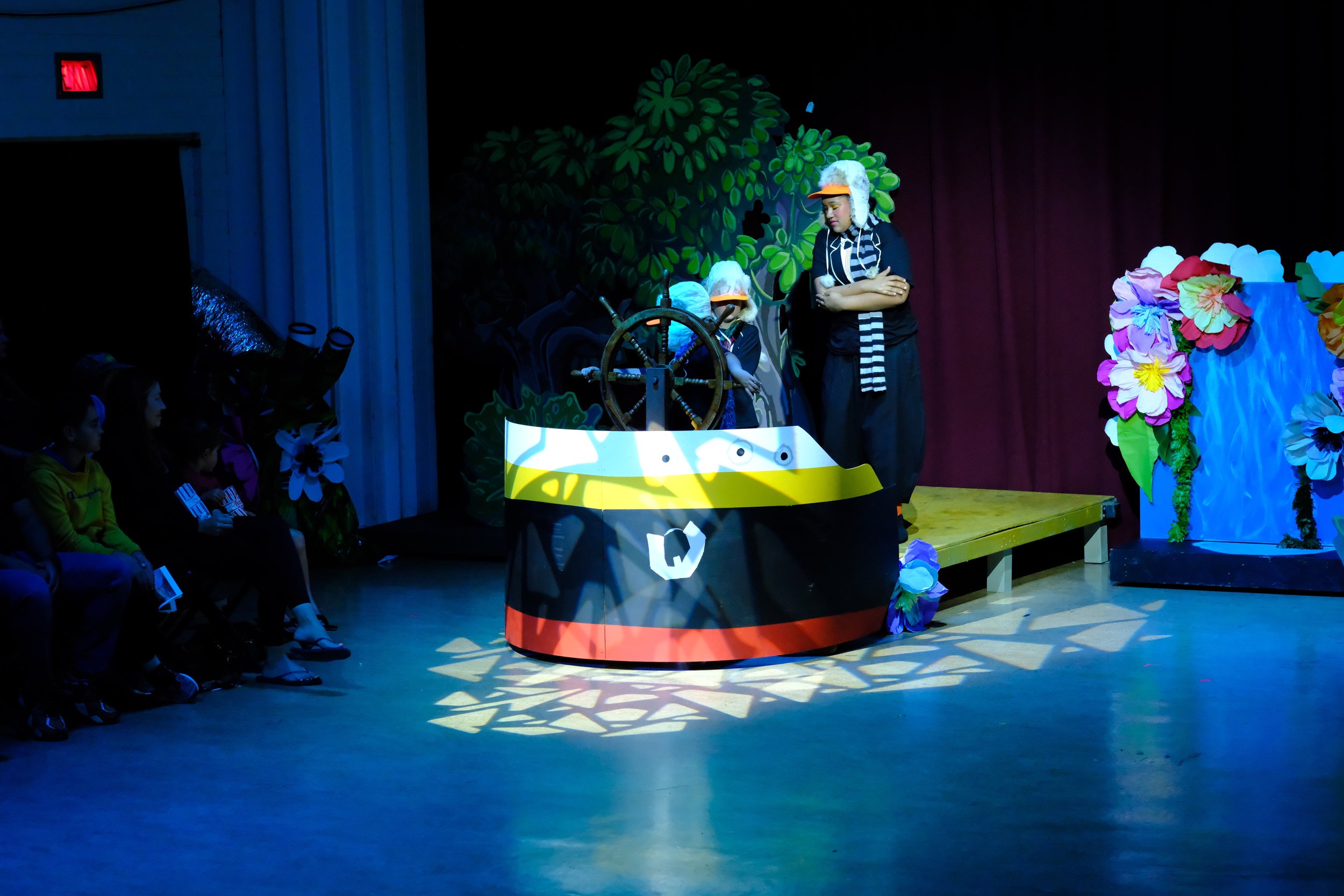
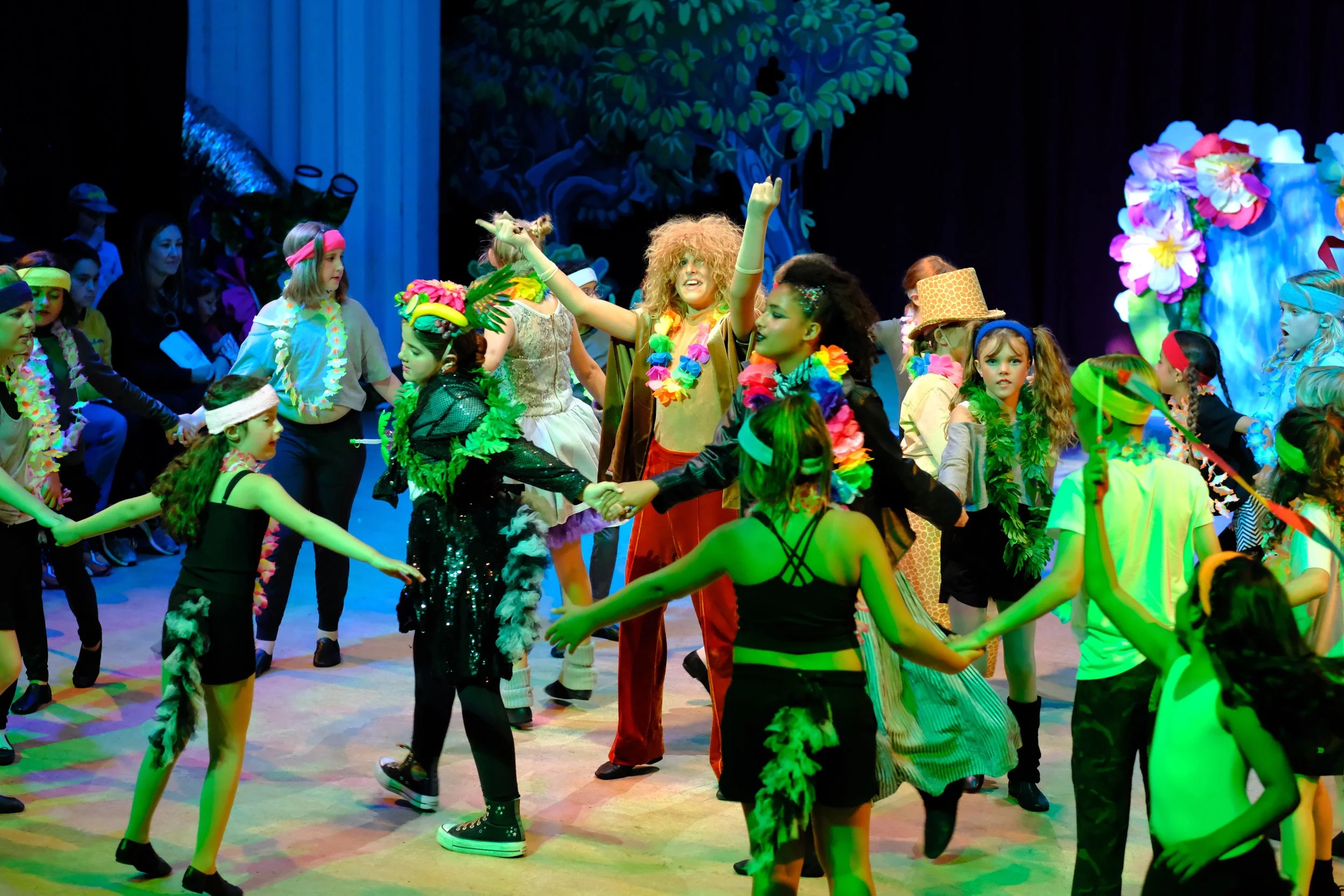
As the design process progressed, I focused on creating a visual distinction between the structured environment of New York City and the vibrant, unpredictable world of Madagascar. I wanted the lighting to reflect the characters' journey from a familiar and controlled environment into one filled with discovery, uncertainty, and adventure.
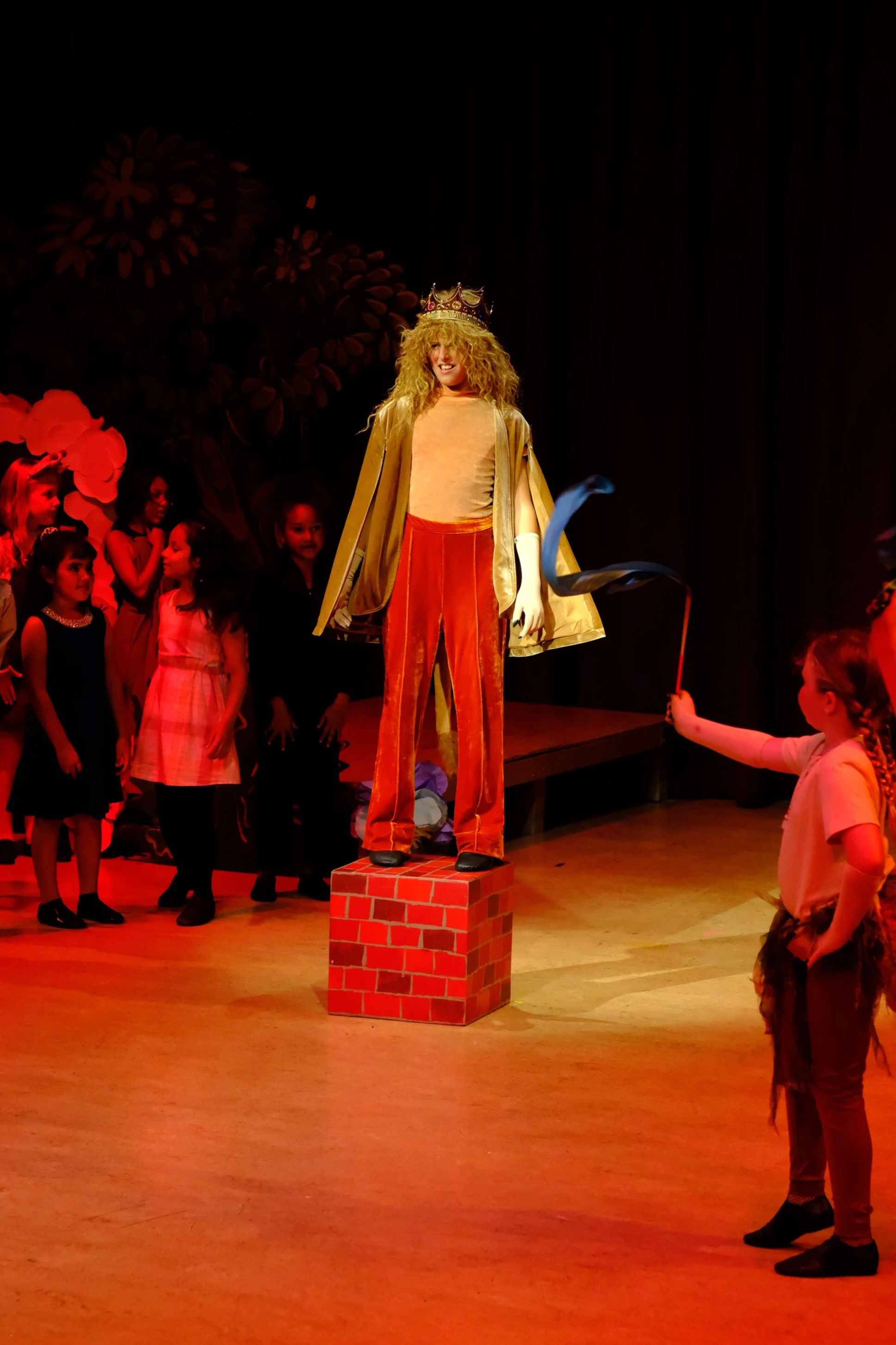
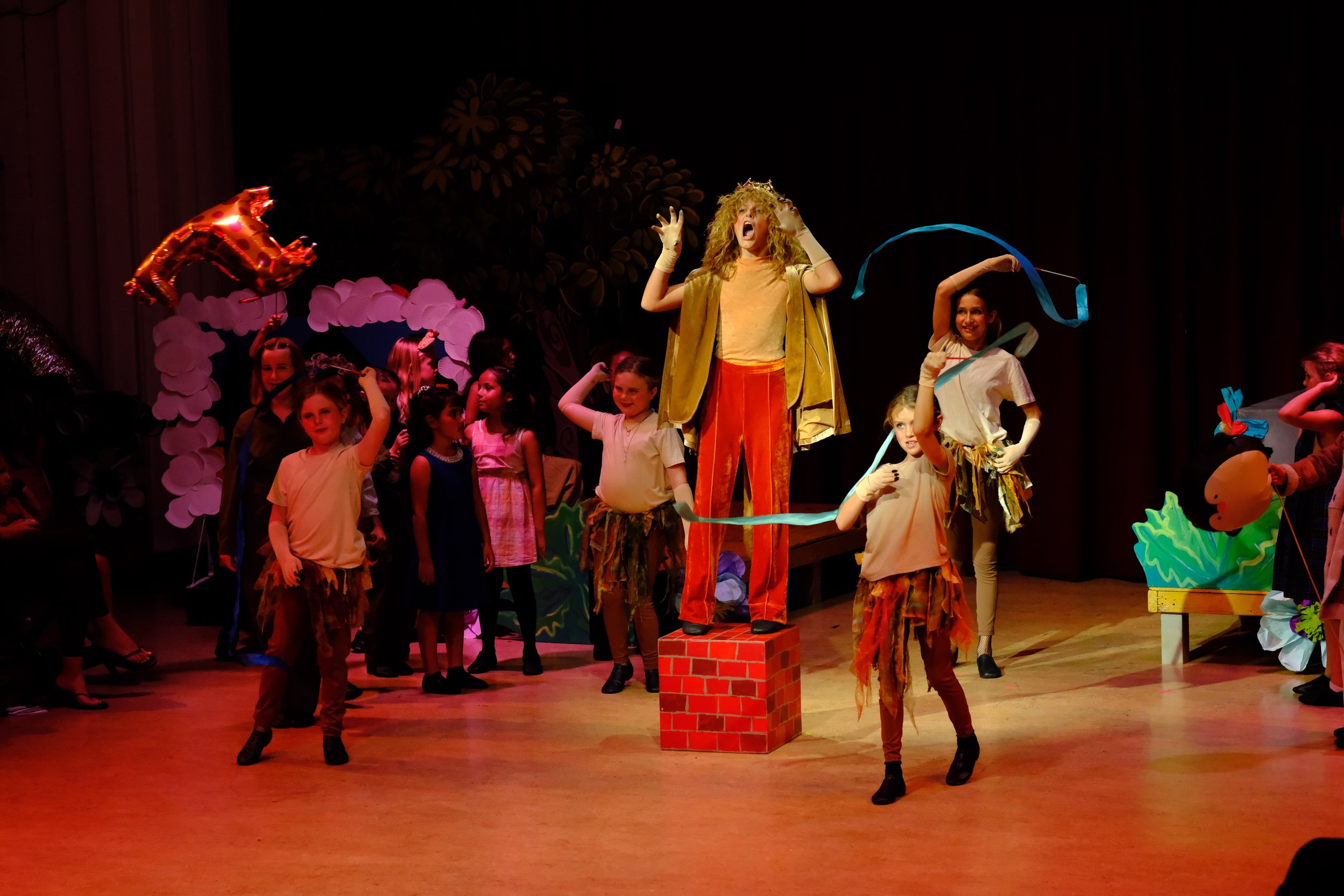
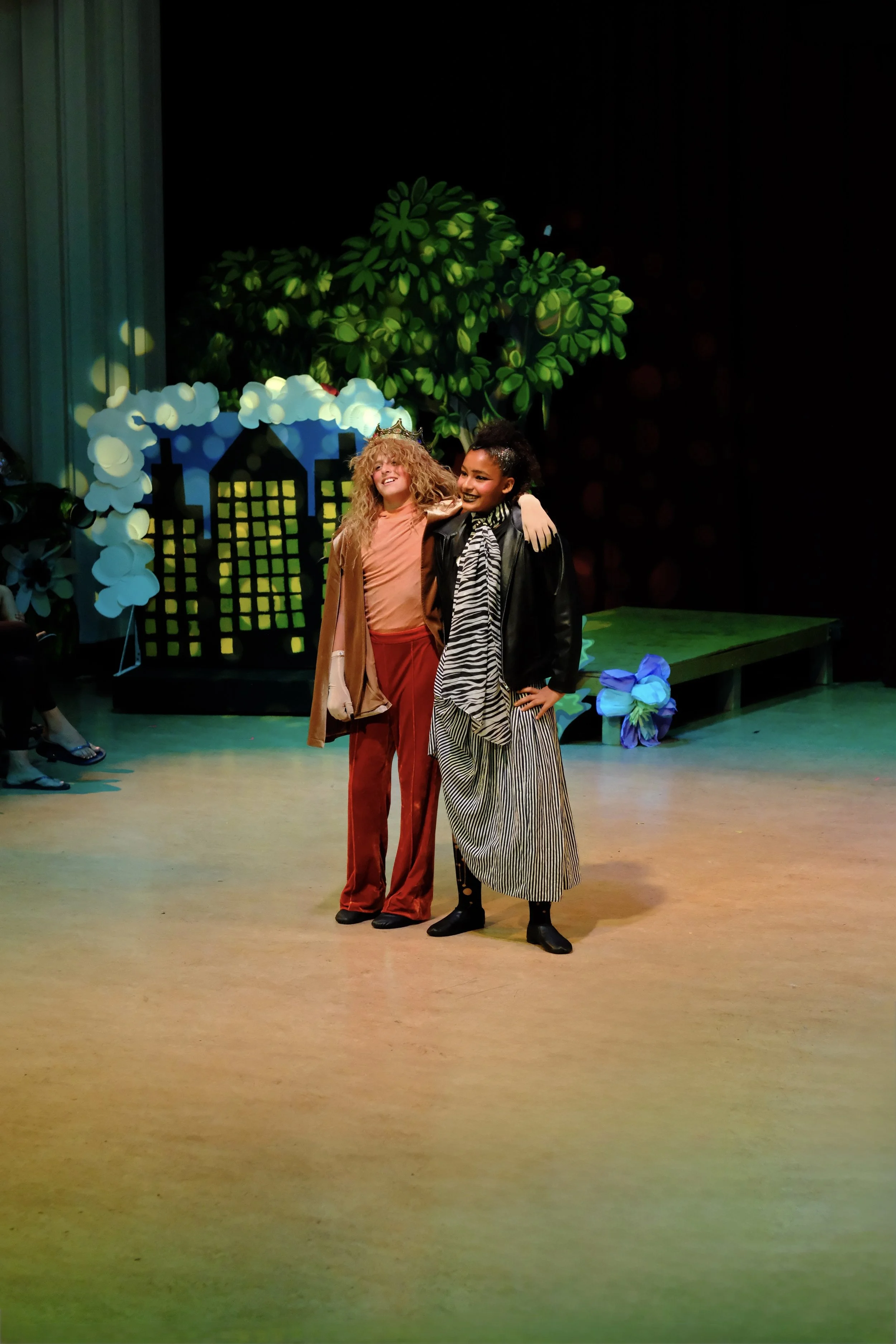
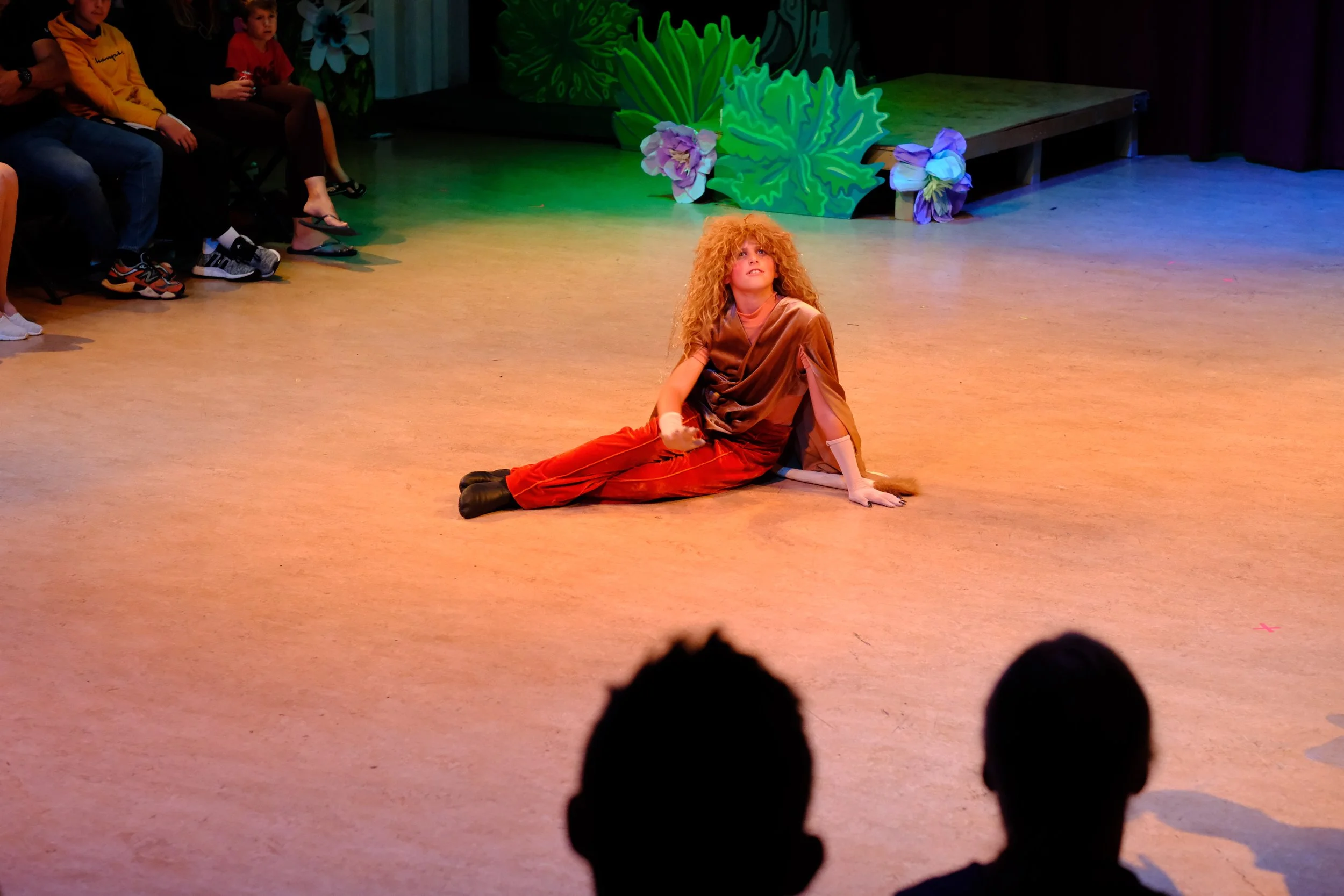
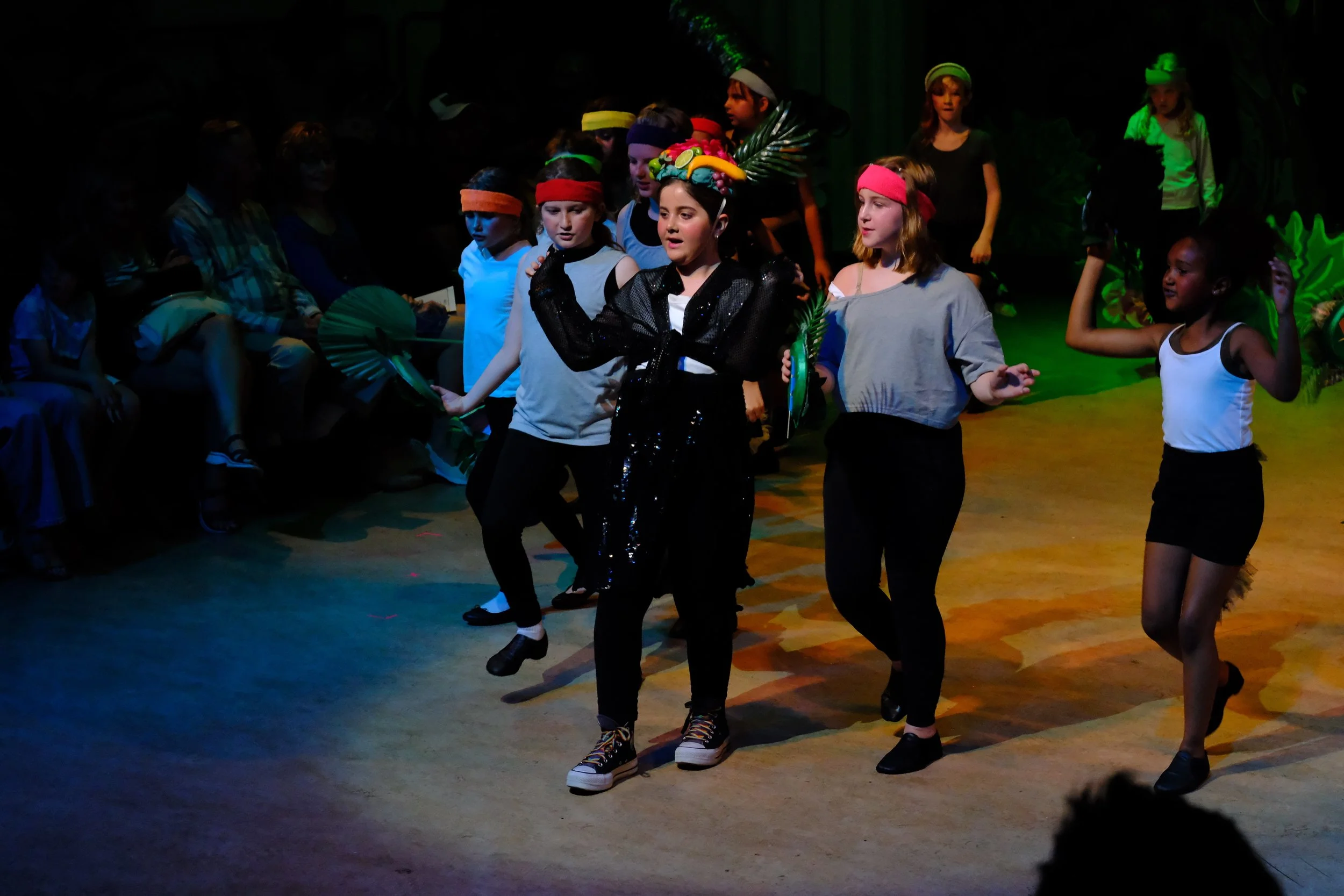
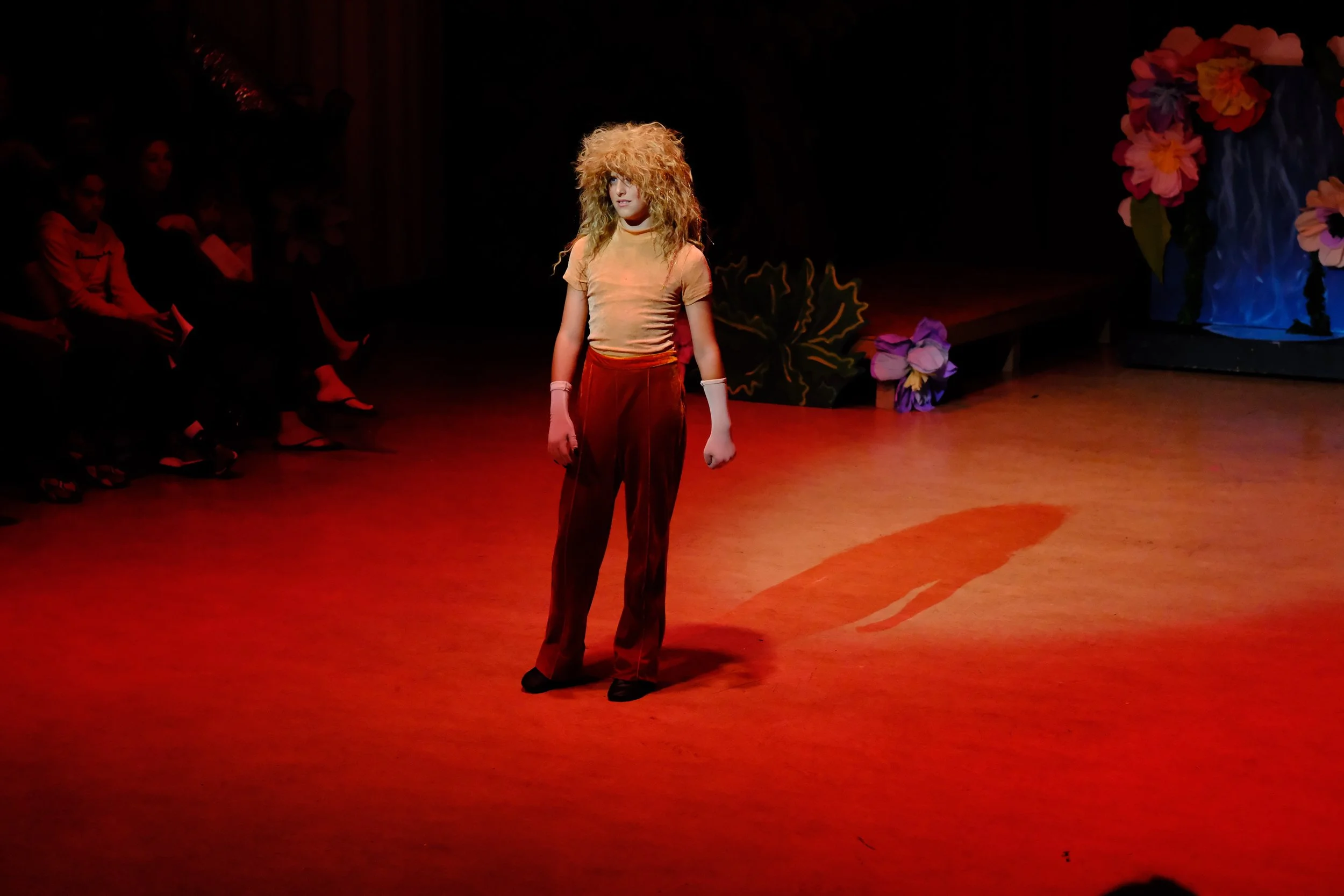
To support this transition, I developed distinct color palettes for each major location. Scenes set in New York utilized cooler and more neutral tones that emphasized the urban setting and routine nature of the characters' lives. In contrast, scenes set in Madagascar incorporated warmer and more saturated colors to highlight the energy, excitement, and natural beauty of the island.
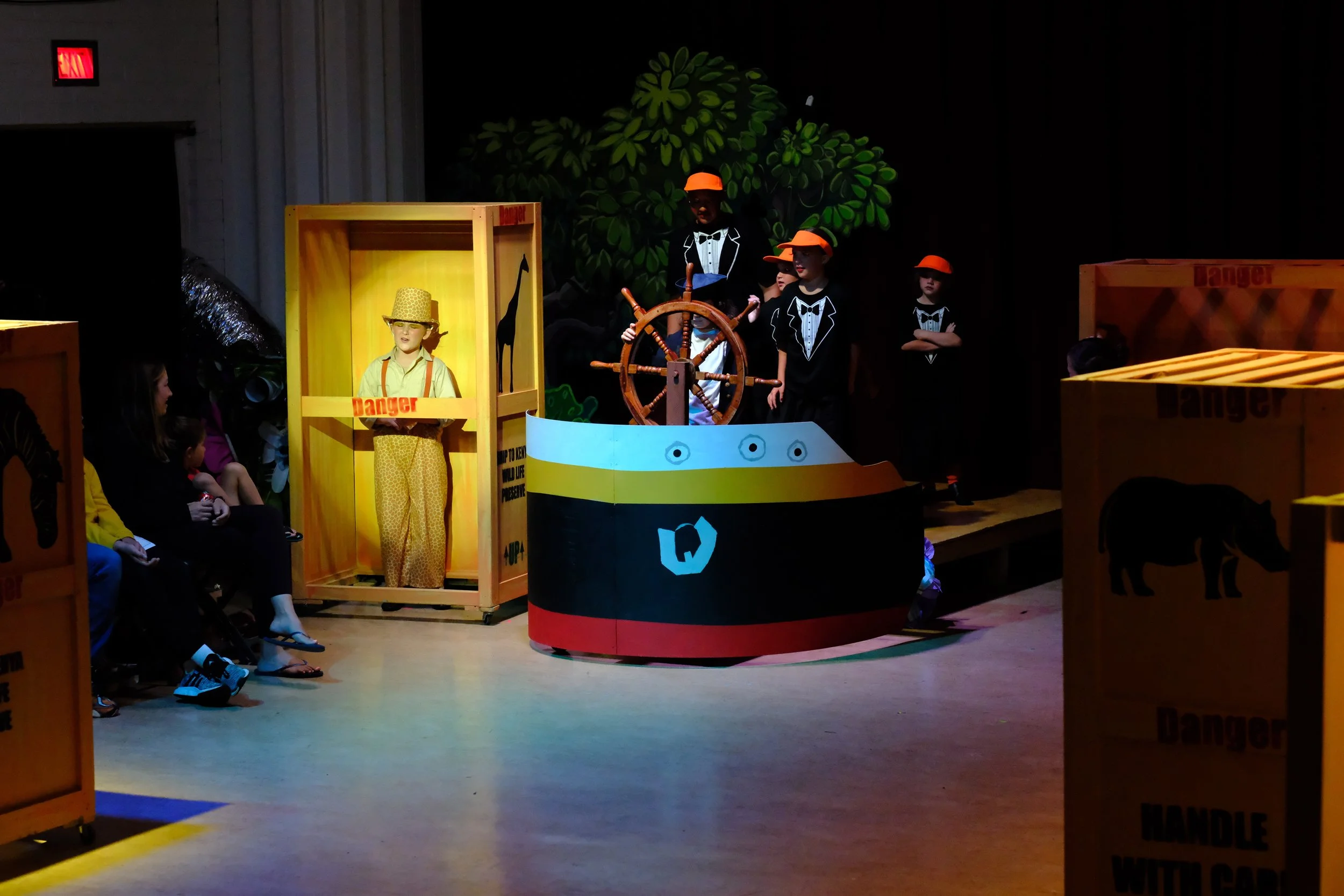
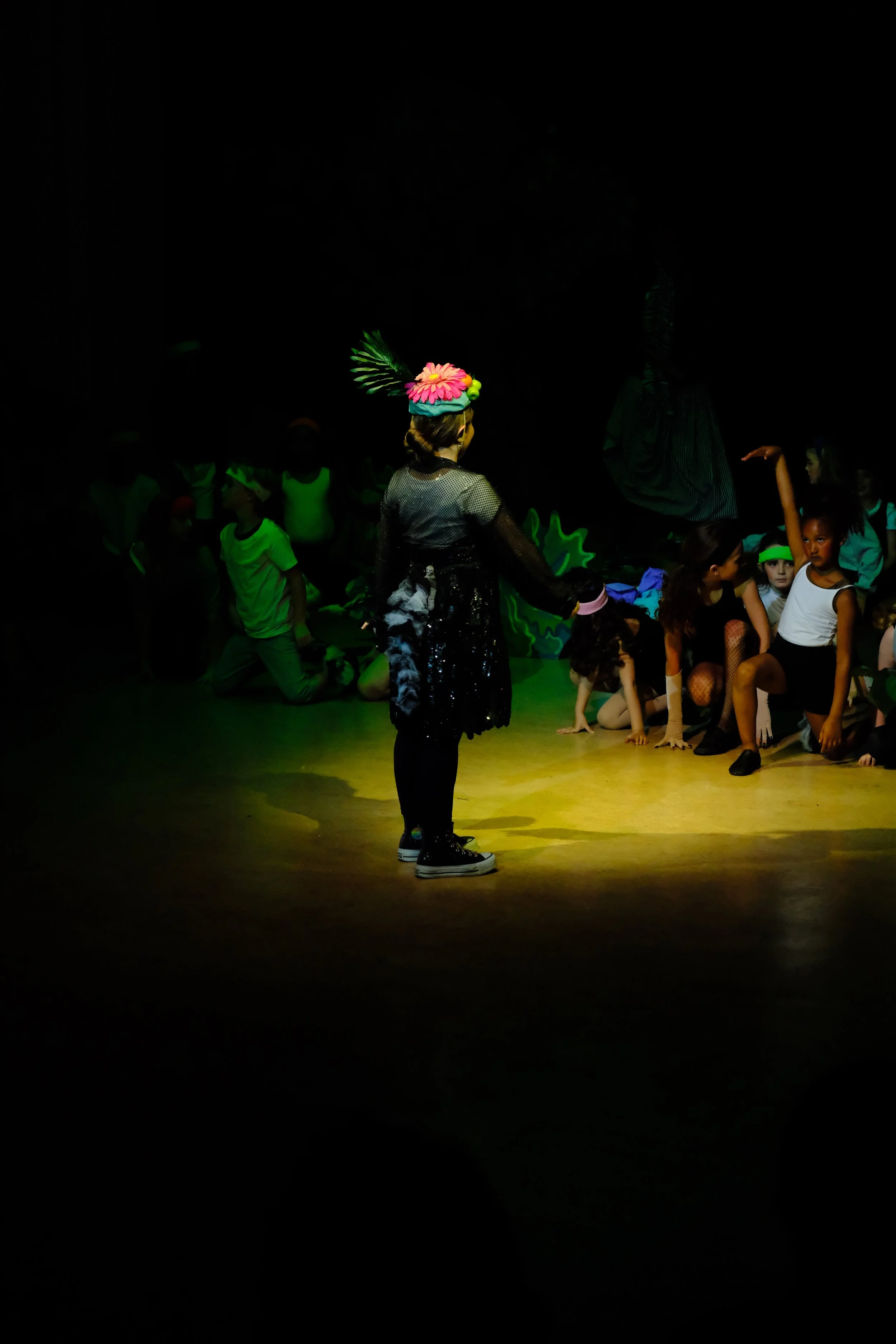
Because the production featured numerous locations and rapid transitions, I aimed to establish clear visual identities for each environment while maintaining a cohesive overall aesthetic. Color, intensity, and directional lighting were used to help orient the audience and reinforce changes in location and mood throughout the story.
-
The execution of the design took place during focus sessions, programming rehearsals, and technical rehearsals. During focus, I worked to implement the lighting systems established in the design phase, with particular attention to angle, coverage, and visibility for both storytelling and choreography. Key systems were prioritized to ensure flexibility for a variety of staging configurations and transitions throughout the production.
Following focus, I programmed the show in collaboration with the director and stage management team. Cues were built and refined in real time during rehearsals, with an emphasis on clarity, pacing, and supporting the musical structure of the production. I utilized a combination of prebuilt palettes and live adjustments to accommodate evolving staging and performance timing.
Throughout technical rehearsals, the design continued to evolve as blocking and pacing were refined. Adjustments were made to maintain consistency of storytelling while responding to changes in timing, movement, and scene transitions. This process required continuous communication with the creative team and a flexible approach to cue timing and intensity levels.
The final lighting design emerged through this iterative process of implementation and refinement, balancing the original conceptual goals with the practical realities of a live, youth-driven production. The result was a responsive design that supported both the narrative arc and the energetic performance style of the cast.
-
This production was successful and demonstrated clear growth in my preparation, organization, and execution compared to my previous work with El Segundo Youth Drama. I felt more confident navigating the technical process and maintaining a consistent design approach throughout rehearsals.
I also had to adapt my workflow to the scheduling and technical constraints of the venue. During technical rehearsals, I had limited access to the space from 12:00 PM to 8:00 PM, which required careful planning for focus and programming. Working within these time constraints reinforced the importance of preparation prior to entering tech and maintaining an efficient, organized workflow throughout the process.
Additionally, certain moving light fixtures were unavailable due to maintenance needs, which required adjustments to my original design approach. I adapted my plans to accommodate the available equipment while still maintaining the overall visual intent of my design.
Overall, this production strengthened my ability to remain flexible under technical and logistical constraints while still supporting the storytelling goals of the show.